Interventions
Identifying what works to support people and their families across the entire recovery trajectory.
Care in Common Lab is a collaborative, living lab that brings together people with lived experience, clinicians, researchers, policymakers, and community partners to co-create better models of care for older adults living with multiple conditions, stroke survivors, and those navigating rehabilitation.
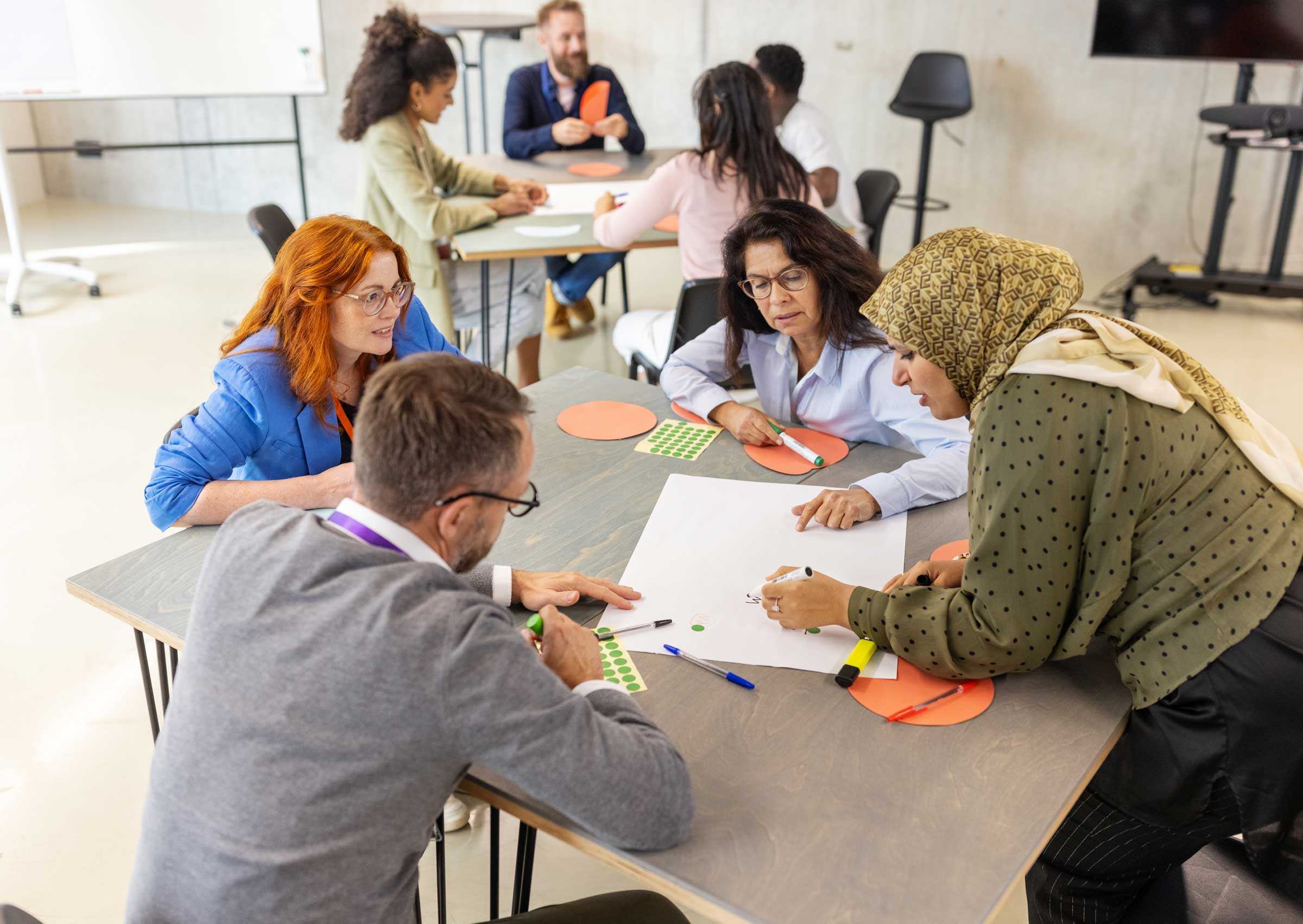
A Living Lab is an open research environment where innovation happens in real-world settings rather than traditional science laboratories. It brings together researchers, practitioners, policymakers, and the people most affected by a challenge to co-create knowledge and test solutions in the conditions where those solutions will need to work. This approach is especially powerful for complex, persistent problems — the kind that don't yield to simple fixes and require ongoing learning, adaptation, and trust across many perspectives.
At Care in Common, this model shapes everything we do. Our research unfolds at the intersection of health systems, community organizations, and the lives of people navigating stroke and recovery. We work alongside voluntary, community, and social enterprise organizations as essential partners — not peripheral service providers — because we believe the healthcare system people deserve can only be built through genuine co-production. Community members hold shared authority over our research questions, methods, and knowledge. That is not a principle we aspire to. It is how we work.
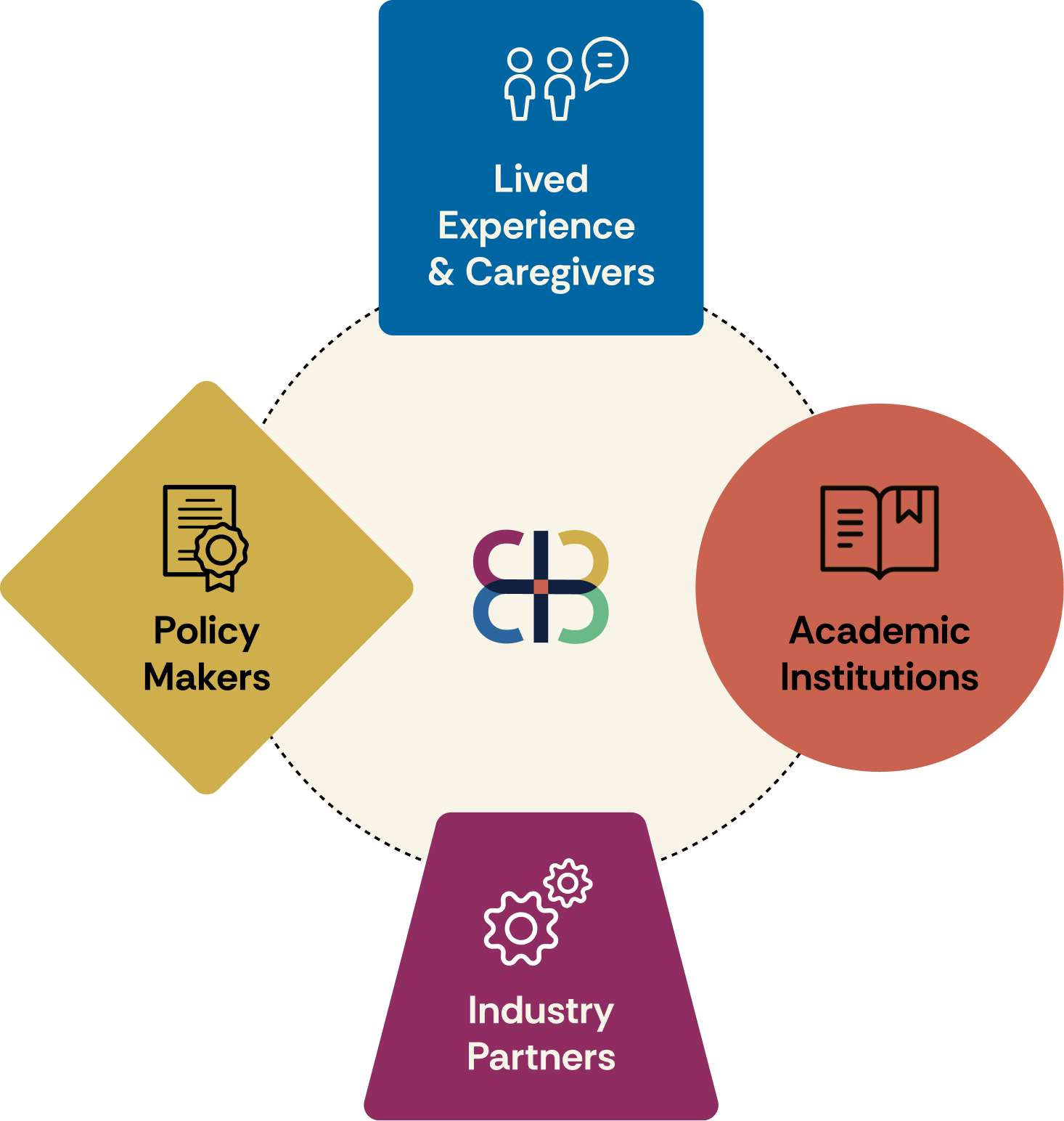
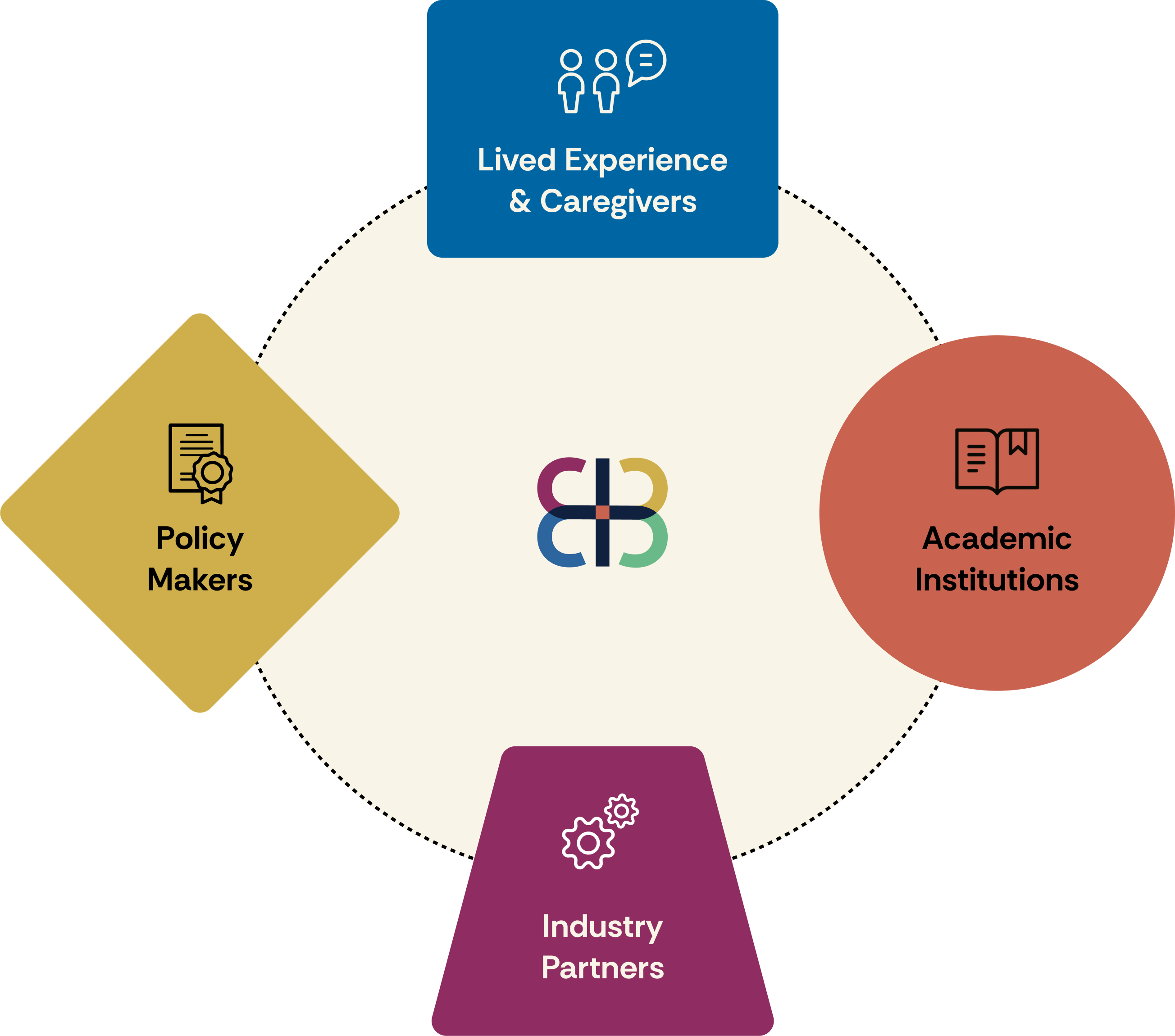
Care in Common was born from a frustration familiar to anyone who has navigated the healthcare system: the gap between what people expect and what they actually encounter. People expect continuity; they find fragmentation. They expect to be known; they find themselves repeating their story at every door. They expect that the best available evidence is shaping their care; often, it isn't. That gap is not inevitable. It is a design problem, and design problems can be solved.
We believe the best solutions emerge when diverse perspectives collide: when a stroke survivor, a rehabilitation therapist, a policy analyst, and a researcher sit at the same table with equal voice. Through initiatives like Social Vital Signs and the DASH Project, we convene the people who are often left out of the research conversation, but whose insights are essential: the practitioners, patients, and community partners who live and work closest to the problem.
We need to focus on what we have in common… which is that we care.
Starting with a look at what isn’t working on the ground in real-life settings, our research is focused around three main streams.
Identifying what works to support people and their families across the entire recovery trajectory.
Building and testing the partnership frameworks that help healthcare systems and community organizations work together seamlessly.
Examining the leadership, governance, and organizational conditions that make implementation of integrated care possible and sustainable. Studying real-world contexts to understand what enables or constrains cross-sectoral collaboration at the system level.

Whether you bring lived experience, clinical expertise, research skills, policy perspective, or a passion for innovation — there's a seat at our table. We're actively looking for co-creators who want to shape how healthcare research is done, shared, and put into practice.